
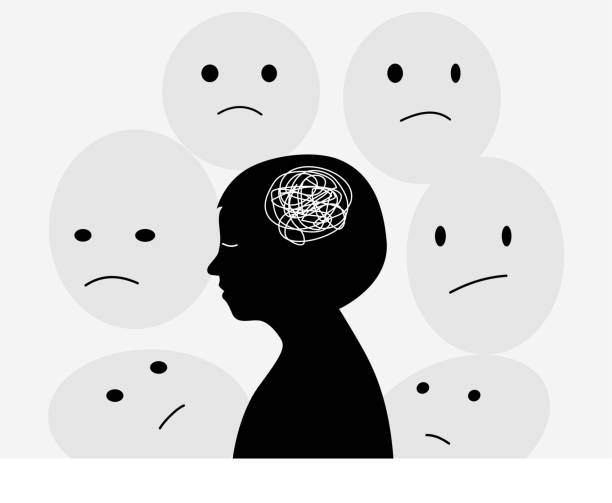
Stigma is a pervasive challenge that many Kenyan parents face, especially those caring for children with disabilities, chronic illnesses, or unconventional needs. Cultural norms, misinformation, and social exclusion often combine to create a heavy burden on families, sometimes worsening their struggles rather than easing them. This guide is crafted to empower Kenyan parents by providing insights on understanding stigma, recognizing its impact, and offering practical tools for resilience and thriving despite societal pressures.
Understanding Stigma and Its Root Causes in Kenya
Stigma entails negative attitudes, beliefs, and discrimination directed at individuals or groups because of perceived differences. In Kenya, stigma often originates from:
- Cultural beliefs and traditions: Certain conditions like disabilities or mental health issues may be linked to myths, such as witchcraft or curses in some communities.
- Lack of knowledge: Limited public awareness about various conditions fuels misconceptions and fear.
- Social conformity pressures: Communities may ostracize families who do not follow accepted norms or challenge traditional roles.
- Religious interpretations: Some interpretations condemn or blame parents, increasing guilt and isolation.
Recognizing that stigma is socially constructed helps shift the focus from self-blame to strategies for change and resilience.
Common Forms of Stigma Kenyan Parents Encounter
- Labeling and name-calling: Parents and children may be called derogatory names or mocked.
- Social exclusion: Invitations to community events might cease; children might be excluded from school or play.
- Blame and shame: Parents may be blamed for their child’s condition and pressured to hide the family’s situation.
- Discrimination in schools and health services: Lack of sensitivity or facilities may marginalize children.
- Internalized stigma: Parents sometimes accept negative labels, leading to reduced self-esteem and depression.
Understanding these forms helps parents identify stigma when experienced and navigate it effectively.
Emotional and Practical Impacts of Stigma on Kenyan Families
- Emotional toll: Anxiety, sadness, frustration, loneliness.
- Family strain: Sibling jealousy, marital stress.
- Economic challenges: Reduced work opportunities, extra medical and caregiving expenses.
- Social isolation: Severed community ties and friendships.
- Limited opportunities for children: In education, social interaction, and future employment.
Strategies Kenyan Parents Can Use to Survive and Overcome Stigma
1. Build Knowledge and Awareness
Educate yourself and your community about your child’s condition or circumstances.
- Use credible sources and local organizations.
- Share facts gently but consistently in conversations.
- Invite community members to workshops or talks whenever possible.
2. Connect with Support Networks
Building alliances with other parents or support groups reduces isolation and empowers advocacy.
- Join parenting groups, whether local or online.
- Engage with NGOs and community health services that support inclusion.
- Exchange experiences and coping strategies.
3. Communicate Openly and Positively
- Speak honestly about challenges and successes with trusted friends and family.
- Celebrate your child’s strengths to shift focus from stigma.
- Use storytelling to humanize and de-stigmatize conditions in public forums.
4. Advocate for Your Child’s Rights
- Demand access to inclusive education.
- Engage with local authorities and schools to improve services.
- Use legal frameworks, such as Kenya’s Persons with Disabilities Act, to protect your family.
5. Prioritize Mental Health
- Seek counseling or therapy if available.
- Practice self-care rituals and stress management techniques.
- Encourage family communication to support emotional needs.
6. Challenge Stigma through Actions and Role Modeling
- Model acceptance and empathy in your community.
- Create inclusive environments for all children.
- Share your story in media or community gatherings.
Cultural Sensitivity: Navigating Stigma with Respect to Kenyan Traditions
- Balance respect for elders and tradition with advocacy for change.
- Engage religious and community leaders as allies in awareness campaigns.
- Use culturally relevant language and examples to foster understanding.
Real Stories of Kenyan Parents Who Survived Stigma
Example 1: Jane from Nairobi
Jane faced school exclusion for her son with autism. She joined a parent support group, helped start awareness sessions at the school, and now other families feel empowered.
Example 2: Moses from Kisumu
Moses struggled with gossip and blame because his daughter has epilepsy. By educating his neighbors and inviting church leaders to speak on epilepsy, he reduced stigma and gained community support.
Featuring true stories helps parents feel less alone and inspired.
Resources Available for Kenyan Parents Facing Stigma
- Local NGOs: Kenya Society for Children with Disability, Ability Trust Kenya
- Government services: Ministry of Health and Education inclusion programs
- International organizations: WHO Kenya offices, UNICEF initiatives
- Online platforms: Parent support Facebook groups and WhatsApp communities
- Counseling services: Community mental health centers, local clinics
The Role of Schools, Communities, and Government in Reducing Stigma
- Inclusive curriculum development.
- Teacher training on special needs and diversity.
- Community sensitization programs.
- Policy enforcement on discrimination.
Action Plan Checklist for Kenyan Parents Facing Stigma
- Identify and acknowledge stigma experiences.
- Gather accurate information on your child’s needs.
- Connect with at least one support group.
- Communicate openly with family and trusted community members.
- Advocate systematically for education and health access.
- Prioritize family mental health and wellness.
- Share your story to help others.
Conclusion: Embracing Hope and Resilience
Living with stigma is undoubtedly difficult, but Kenyan parents possess incredible strength and resourcefulness. Knowledge, connection, communication, and advocacy form the foundation to overcome societal barriers. By sharing experiences and supporting each other, parents can create environments rich in acceptance and opportunity for their children.
Kenya’s future is inclusive when every child and parent is valued and empowered.